Engineering teams have never had access to more advanced technology. From smart factories and industrial automation to digital twins and AI-powered manufacturing systems, modern industrial projects are becoming increasingly complex.
Yet despite these advancements, many manufacturers and engineering firms continue to struggle with one persistent challenge: communication.
When engineers, project managers, operators, executives, investors, and customers interpret technical information differently, communication gaps emerge. These misunderstandings can lead to project delays, design revisions, training difficulties, and costly mistakes.
In 2026, one of the most effective ways to bridge these gaps is through 3D industrial animation.
Why Engineering Communication Gaps Occur
Industrial projects often involve multiple stakeholders with different levels of technical expertise.
Engineers may understand detailed CAD models and technical drawings, while customers, investors, and operational teams may find these documents difficult to interpret.
Common communication challenges include:
- Complex product designs
- Manufacturing workflow explanations
- Equipment operation procedures
- Factory layout reviews
- Safety and maintenance training
- Stakeholder presentations
Traditional communication methods such as technical reports, static diagrams, and engineering drawings often fail to provide a complete understanding of how a system functions in the real world.
The Growing Importance of Industrial Design Communication
Effective industrial design communication is no longer optional.
As manufacturing systems become more sophisticated, companies must ensure that every stakeholder understands project goals, equipment functionality, and operational workflows.
Clear communication improves collaboration, reduces misunderstandings, and helps projects move forward more efficiently.
This is where visual storytelling becomes a competitive advantage.
How 3D Industrial Animation Solves Communication Challenges
3D industrial animation transforms complex technical information into realistic visual experiences that are easy to understand.
Instead of asking stakeholders to interpret engineering documents, companies can demonstrate systems, products, and processes through animation.
1. Simplifying Manufacturing Process Explanation
Many manufacturing systems involve dozens of interconnected steps.
A visual manufacturing process explanation helps viewers understand material flow, machine interactions, automation sequences, and production workflows in a matter of minutes.
2. Improving Engineering Visualization
Modern engineering visualization allows stakeholders to see products and systems before they are built.
Animations can demonstrate equipment movement, assembly procedures, operational sequences, and factory workflows with exceptional clarity.
3. Enhancing Design Reviews
During project reviews, animation helps teams identify potential issues earlier and align expectations before implementation begins.
This leads to faster approvals and fewer costly revisions.
4. Supporting Employee Training
Training new employees on machinery and industrial processes can be challenging.
Animation provides a safer and more engaging way to teach operational procedures, maintenance activities, and safety protocols.
5. Strengthening Stakeholder Communication
Whether presenting to customers, investors, executives, or project teams, animation ensures everyone sees the same information and develops a shared understanding.
The Role of 3D Modeling for Factories
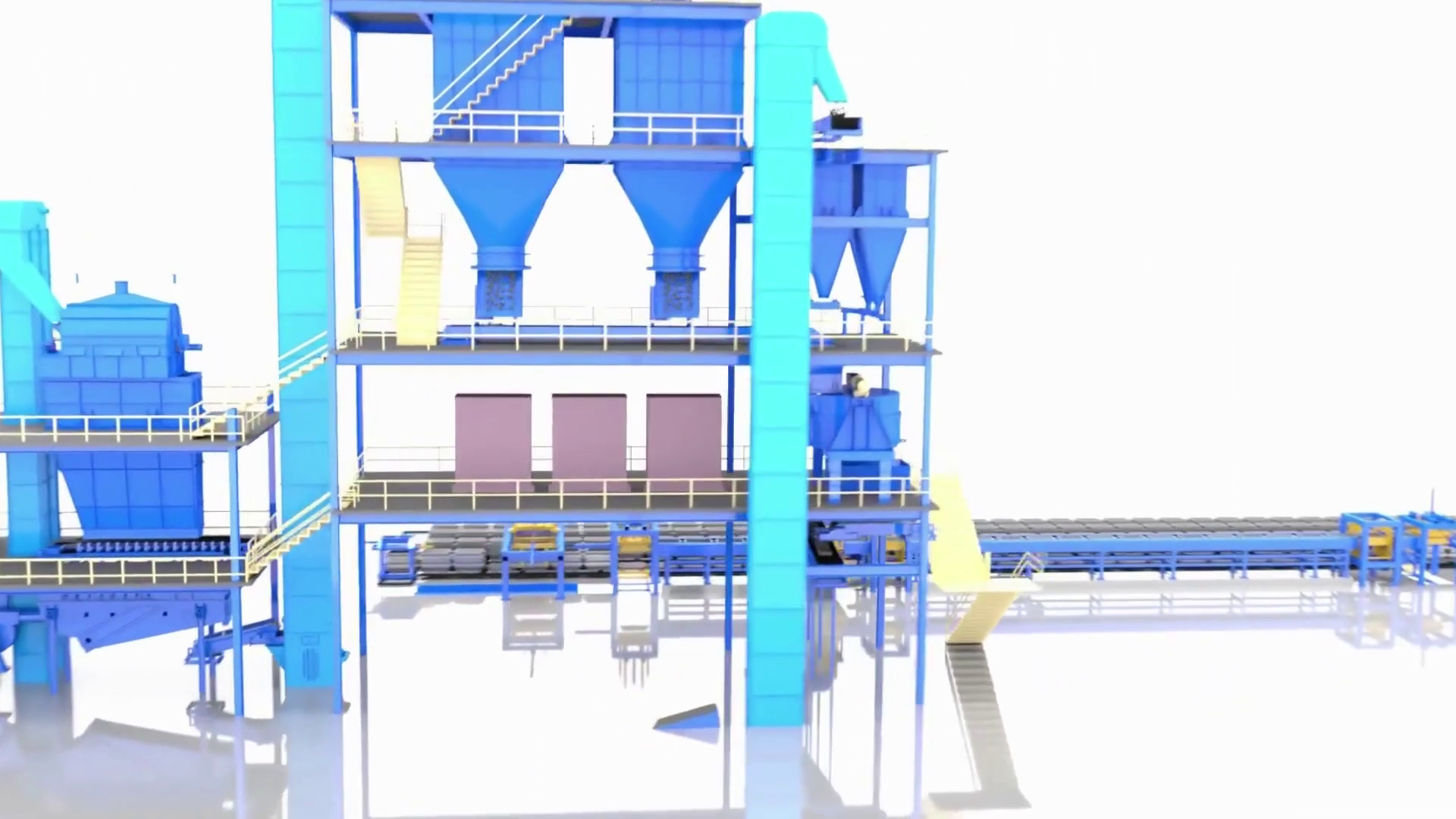
Many manufacturers are also adopting 3D modeling for factories to visualize entire production environments.
Factory models can be used to:
- Plan facility layouts
- Simulate production workflows
- Present expansion projects
- Train personnel
- Improve operational communication
When combined with animation, these models become powerful tools for collaboration and decision-making.
Modern Technical Communication Tools for Manufacturing
Industrial companies are increasingly investing in advanced technical communication tools such as:
- 3D industrial animation
- Digital twins
- Interactive product models
- Virtual factory walkthroughs
- Engineering simulations
- Process visualization platforms
These technologies help organizations communicate more effectively across departments and stakeholder groups.
Frequently Asked Questions
What is 3D industrial animation?
3D industrial animation is the process of creating realistic animated visualizations of machinery, products, factory operations, and manufacturing systems to improve understanding and communication.
How does engineering visualization improve project outcomes?
Engineering visualization helps stakeholders understand designs and processes more clearly, reducing misunderstandings and improving decision-making.
Can 3D industrial animation be used for employee training?
Yes. Many manufacturers use industrial animation to train employees on equipment operation, maintenance procedures, and safety protocols.
Is 3D modeling for factories only useful for large manufacturers?
No. Companies of all sizes use factory modeling and animation to improve planning, communication, and operational efficiency.
Conclusion
In 2026, successful manufacturers and engineering firms will be the ones that communicate complex information clearly.
As products, facilities, and industrial systems become more advanced, traditional communication methods alone are no longer enough.
3D industrial animation provides a powerful solution by improving industrial design communication, simplifying manufacturing process explanation, enhancing engineering visualization, supporting 3D modeling for factories, and strengthening modern technical communication tools.
Organizations that embrace visual communication will be better equipped to align teams, educate stakeholders, accelerate projects, and remain competitive in an increasingly complex industrial landscape.
.png?width=601&height=601&name=ADEOJE%203D%20STUDIO%20(1).png)