
 Stills
Engineering Visualization
Boat & XYZ Gantry System
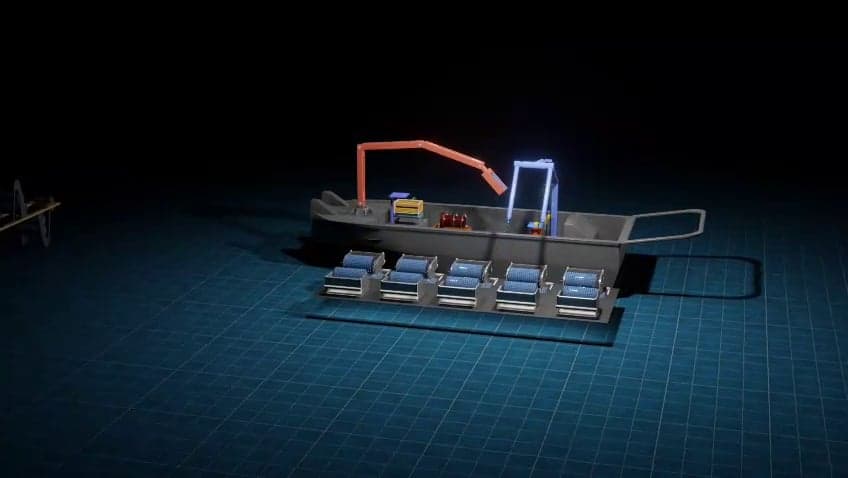
3D engineering animation of a boat fitted with a crane arm and an XYZ gantry system, created for Seascape Aquatech.
Industrial animation
Mechanical animation focuses on how parts move and fit together: the gears, linkages, actuators and fasteners that make a product work. It is the clearest way to explain a mechanism that is hidden inside a housing or too intricate to follow on a drawing.
We animate assemblies, disassemblies and exploded views, and step through installation or conversion sequences one stage at a time, so viewers understand both what each component does and the order in which things happen.
Why it works
Cutaways, transparency and exploded views reveal internal components without taking anything apart.
A step-by-step animation removes the ambiguity of written procedures and 2D diagrams.
Seeing parts move makes clearances, sequences and interactions easier to discuss across teams.
Portfolio
StillsEngineering Visualization
3D engineering animation of a boat fitted with a crane arm and an XYZ gantry system, created for Seascape Aquatech.
 Film · 0:49
3D Mechanical Animation
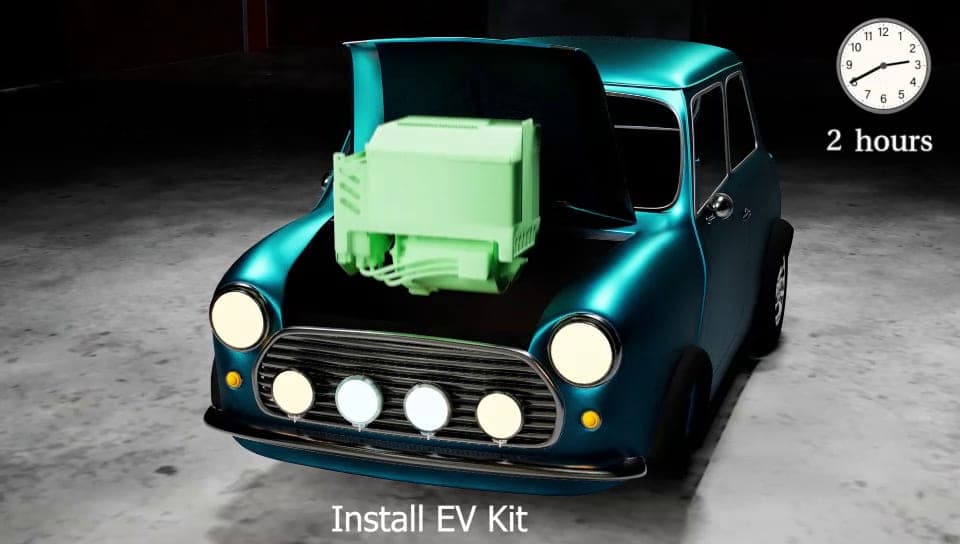
A 3D mechanical animation showing how a classic car is converted to electric power, stage by stage.
 Film · 1:03
3D Mechanical Animation
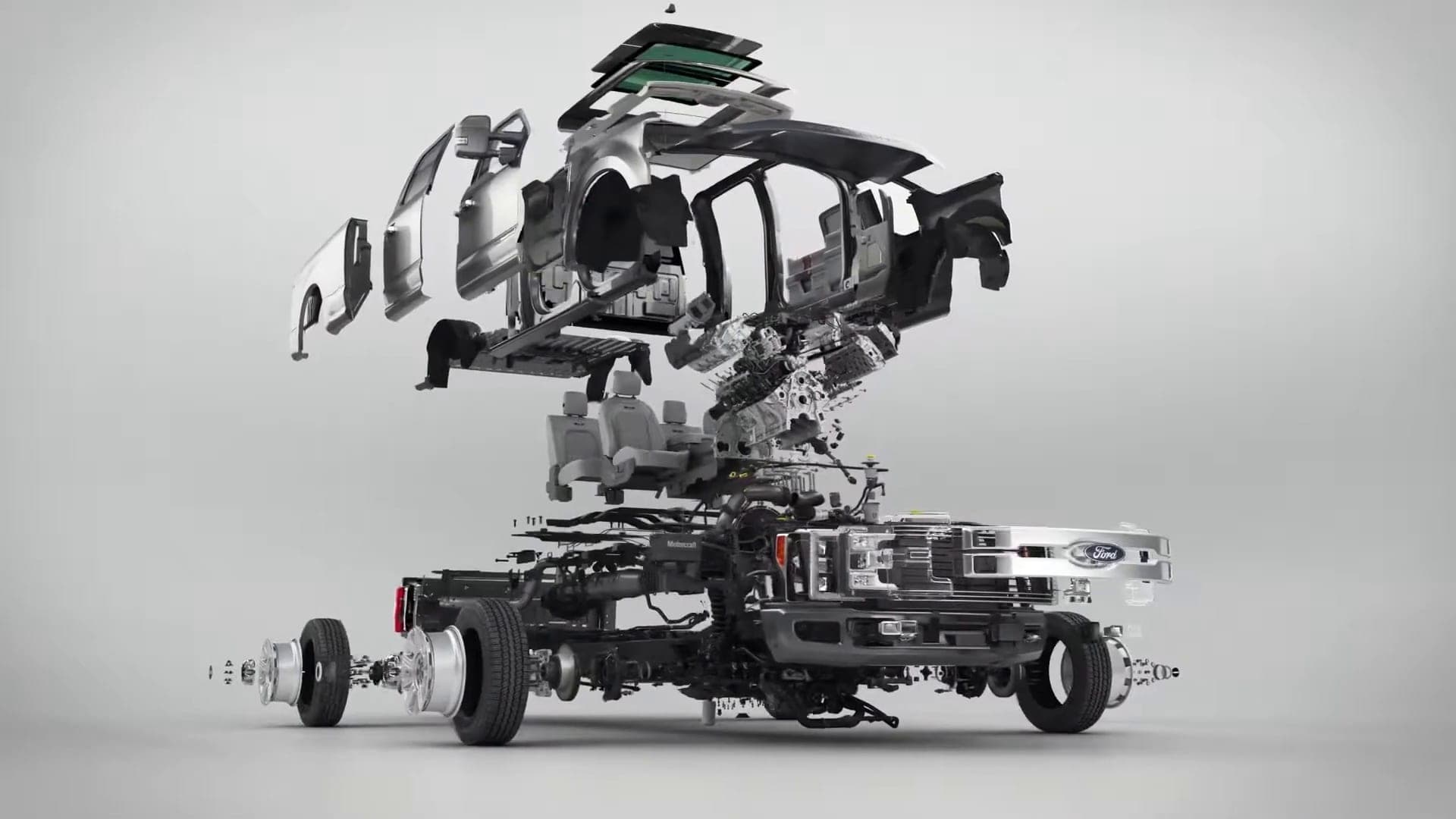
A 3D automotive exploded-view animation that breaks a pickup truck down into its individual components.
 Stills
3D Mechanical Animation
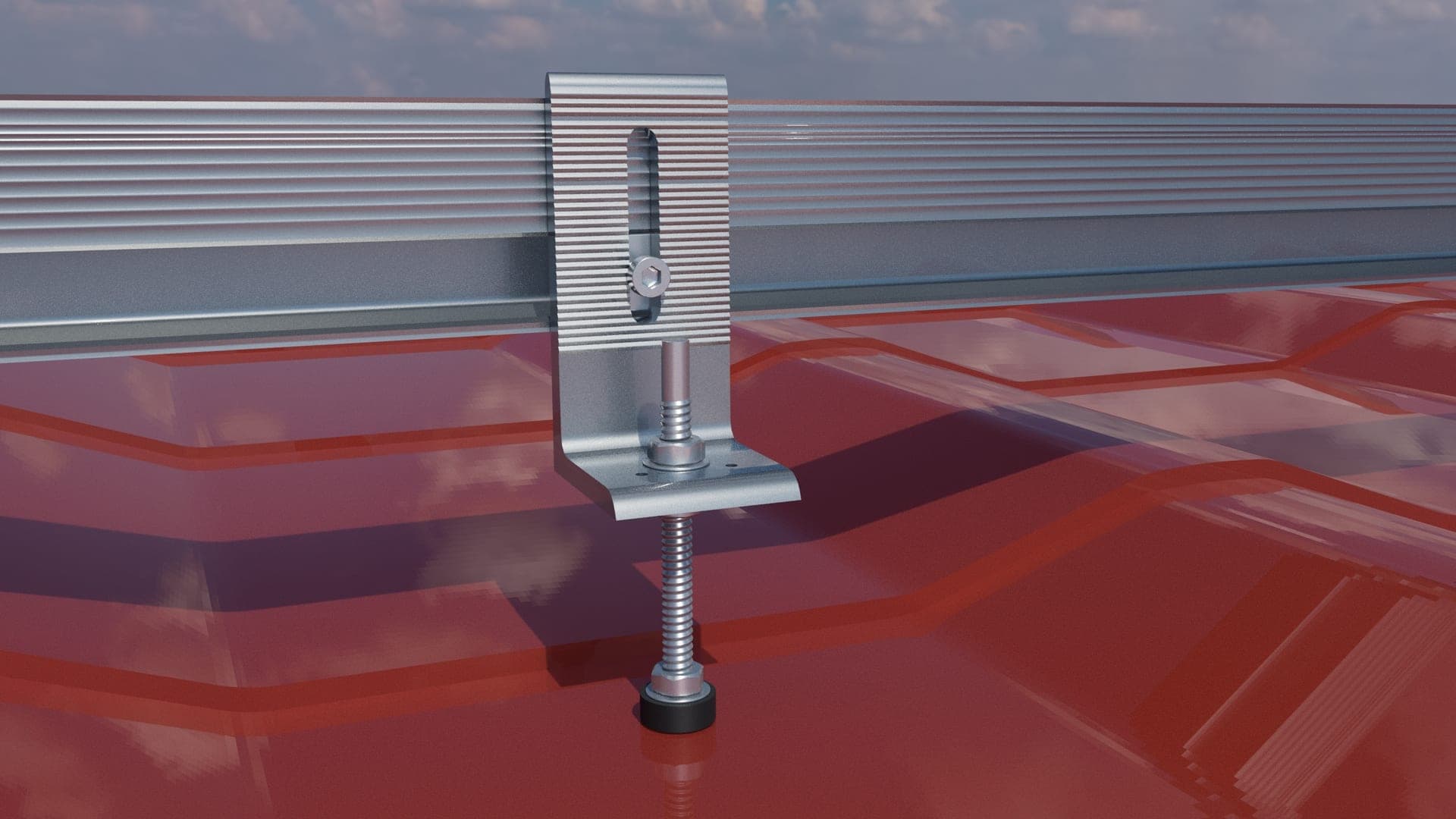
3D technical visualization of a solar panel mounting clamp fixed to a metal roof.
 Stills
3D Product Animation
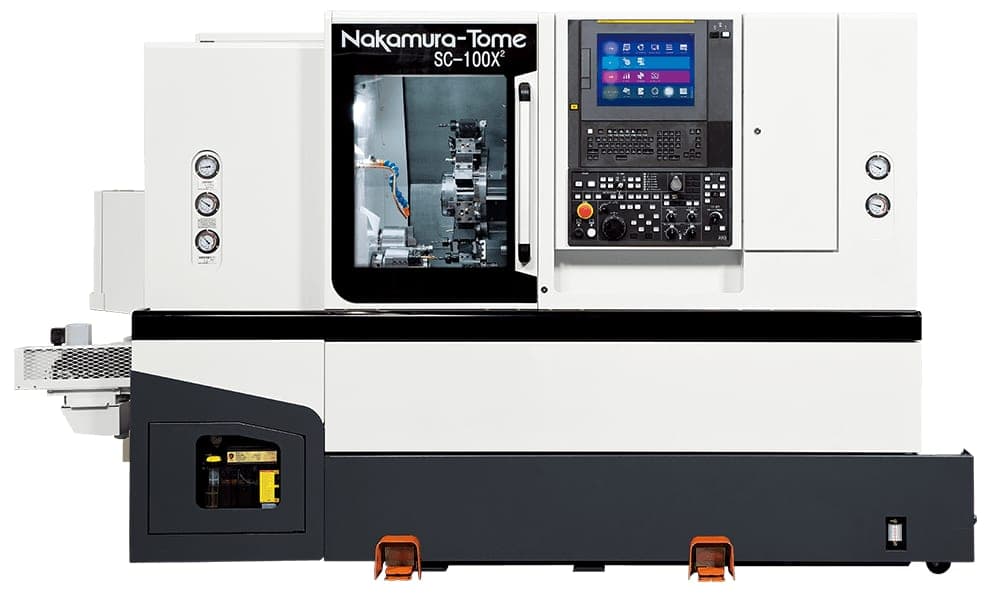
3D product animation of a CNC turning center, showing the machine's enclosure and door operation.
Stills3D Mechanical Animation
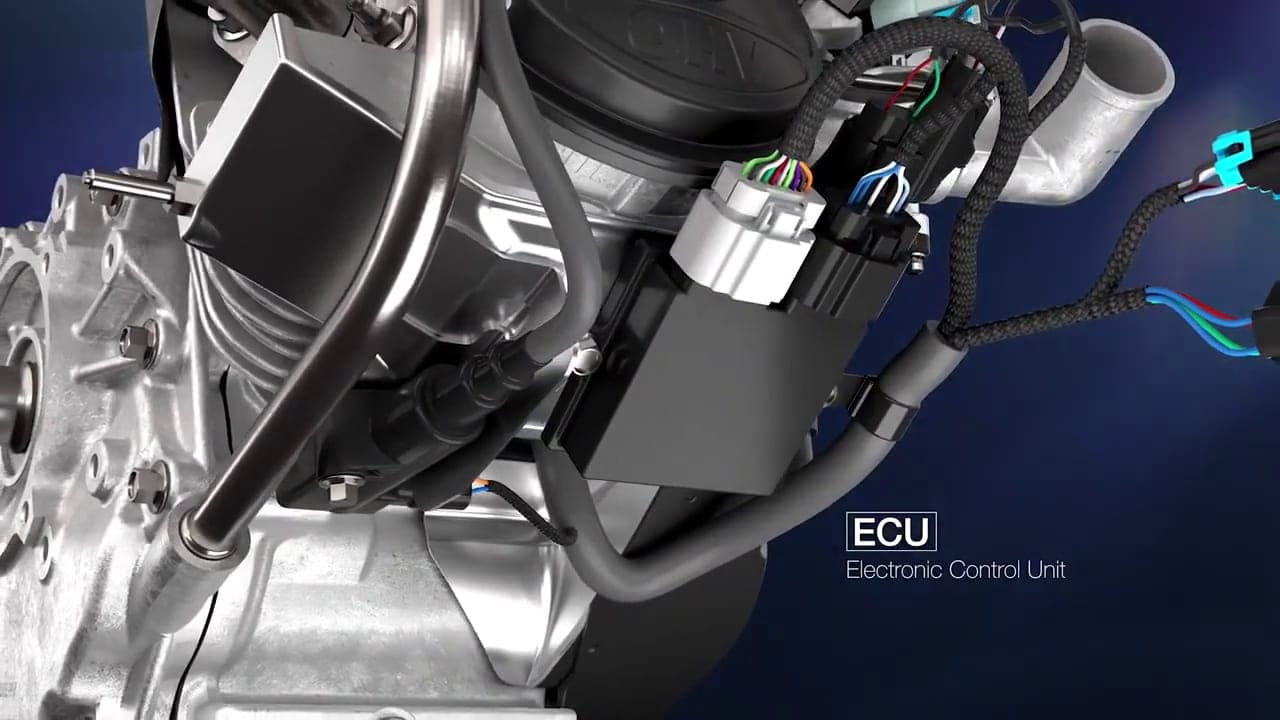
3D mechanical animation close-up of an engine, highlighting its electronic control unit and wiring.
Applications
Break a product down into its components and bring it back together.
Show the correct order of operations, step by step.
Gears, pumps, engines and actuators shown in motion with cutaways.
Explain what changes, in what order, and why.
Show technicians what to remove, inspect and replace.
Process
We agree what the animation must explain, who will watch it and where it will be used, and collect your CAD files, drawings or references.
The sequence of shots and key messages is planned and approved before any production starts, so there are no surprises later.
Machines, products and environments are built from your technical data, sketches or photos, with accuracy checked against your references.
Motion, camera, lighting and materials bring the story to life, from internal mechanisms to full production lines.
You review drafts, request changes within the agreed revision rounds, and receive final files ready for your presentation, website or event.
Insights
FAQ
Yes. We work from CAD files, engineering drawings and technical specifications, and can collaborate directly with your engineering team to make sure your systems are represented accurately.
Mechanical animation concentrates on how individual parts and mechanisms move and fit together, for example an exploded view of an engine. Industrial animation usually covers larger systems such as complete machines, production lines and facilities. Many projects combine both.
It depends on complexity and scope. A standard product animation typically takes 2 to 4 weeks, while more complex industrial machinery animations may take 4 to 8 weeks. You receive a detailed timeline during planning, with clear communication throughout production.
Reference material such as CAD files, technical drawings, product specifications, photos or existing documentation. During the first conversation we agree your goals, timeline and deliverables. If you don't have technical files, we can work from sketches, descriptions or reference images.
Start a project
Tell us what you need to explain and who you need to reach. We'll reply with questions, ideas and a clear next step.